01
Community Health Camps
Periodic multi-specialty and focused camps — general check-ups, eye screening, counselling, and referral — organised with local participation and medical volunteers.
Activities
Programmes in villages and neighbourhoods — where health, nutrition, livelihoods, and dignity meet everyday life.
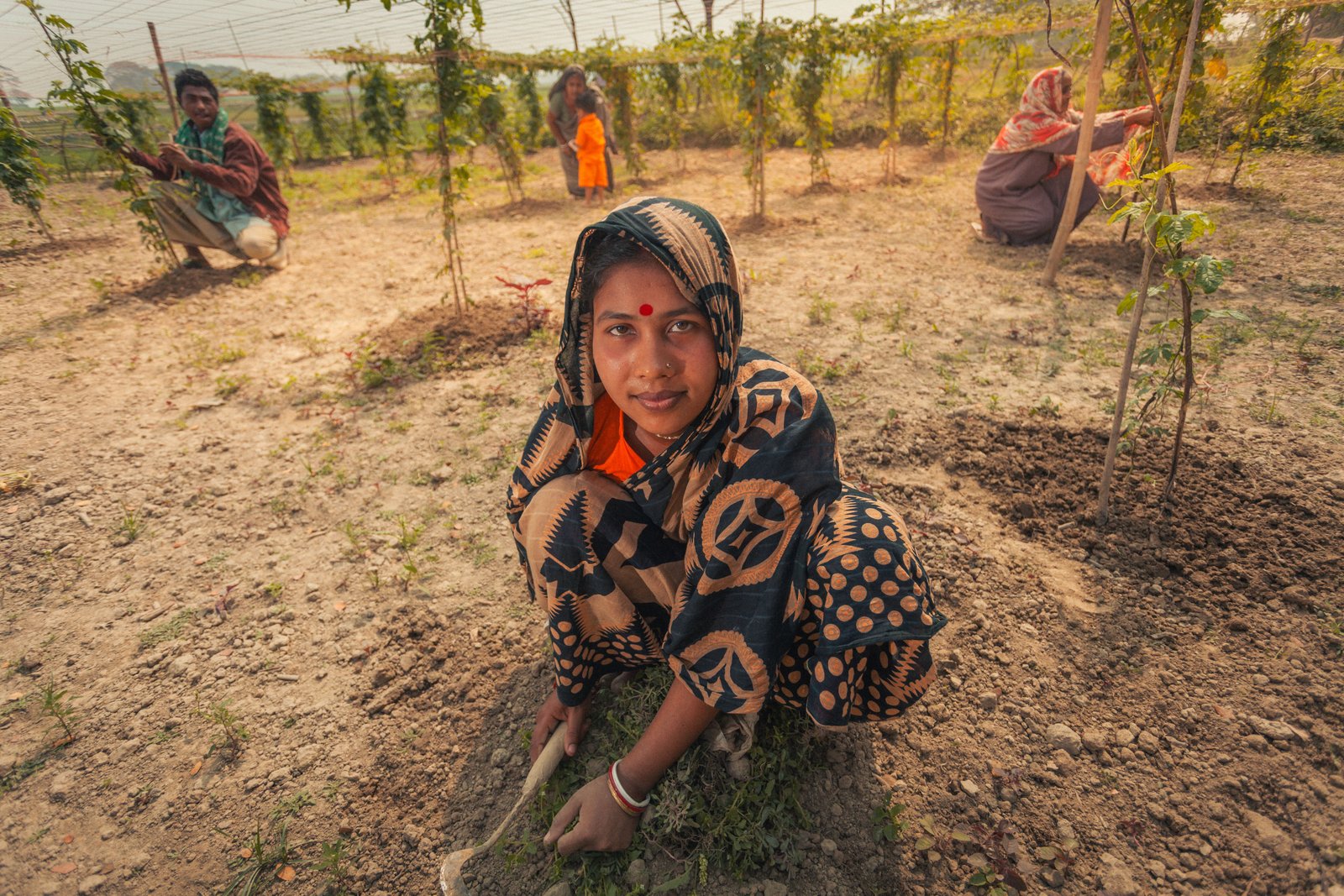
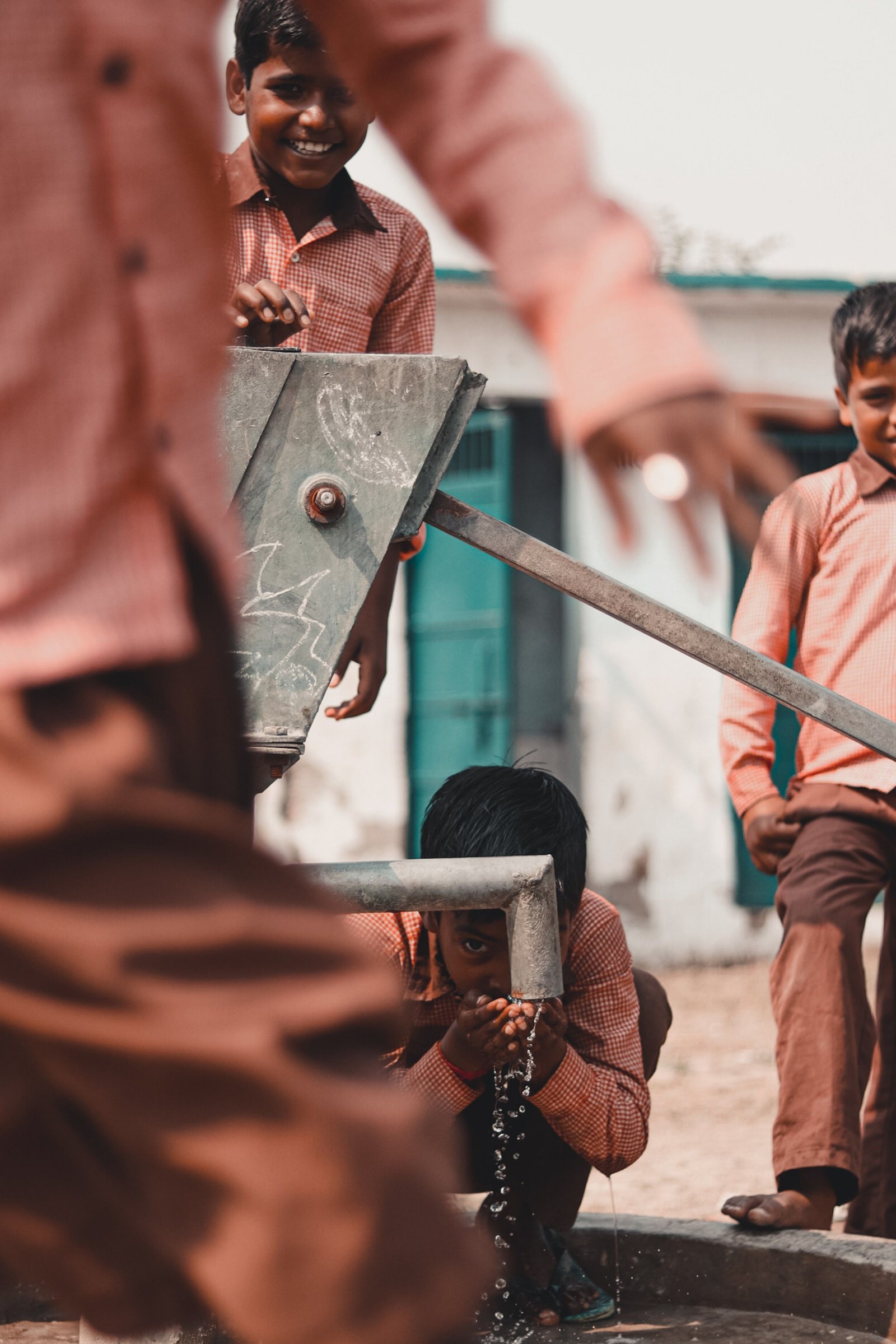
Beyond clinic walls, the Society organises field activities that address the social conditions shaping health — food security, water access, women’s participation, childhood wellbeing, and community mobilisation.
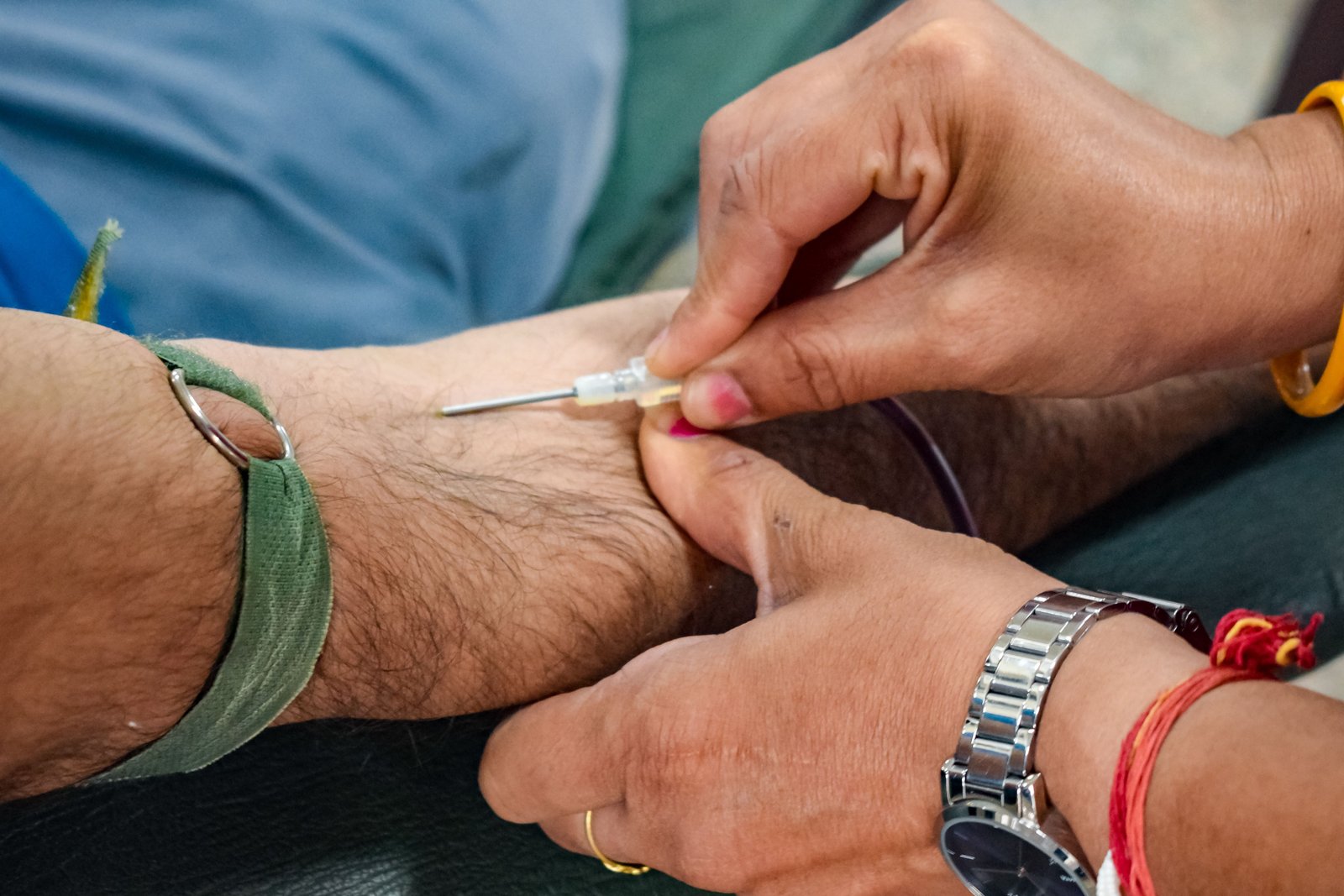
Periodic multi-specialty and focused camps — general check-ups, eye screening, counselling, and referral — organised with local participation and medical volunteers.
Neighbourhood sessions on TB, malaria, diabetes, maternal nutrition, hygiene, and vaccination — conducted in language and formats communities understand.
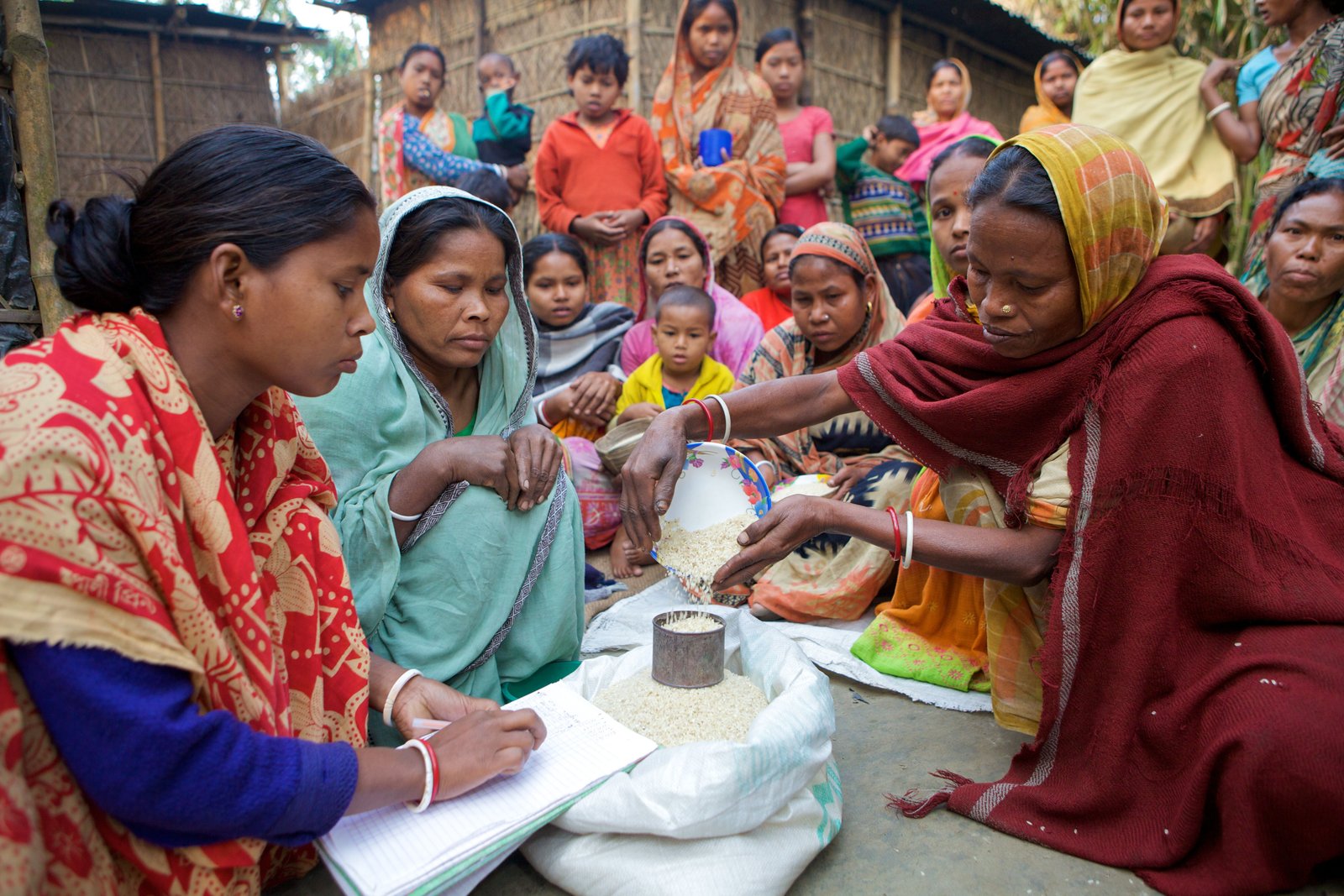
Targeted distribution and facilitation activities that help vulnerable households meet basic food and care needs during periods of stress.
Engagement with women’s groups on health-seeking behaviour, maternal care, and livelihood-linked wellbeing — recognising women as anchors of household health.
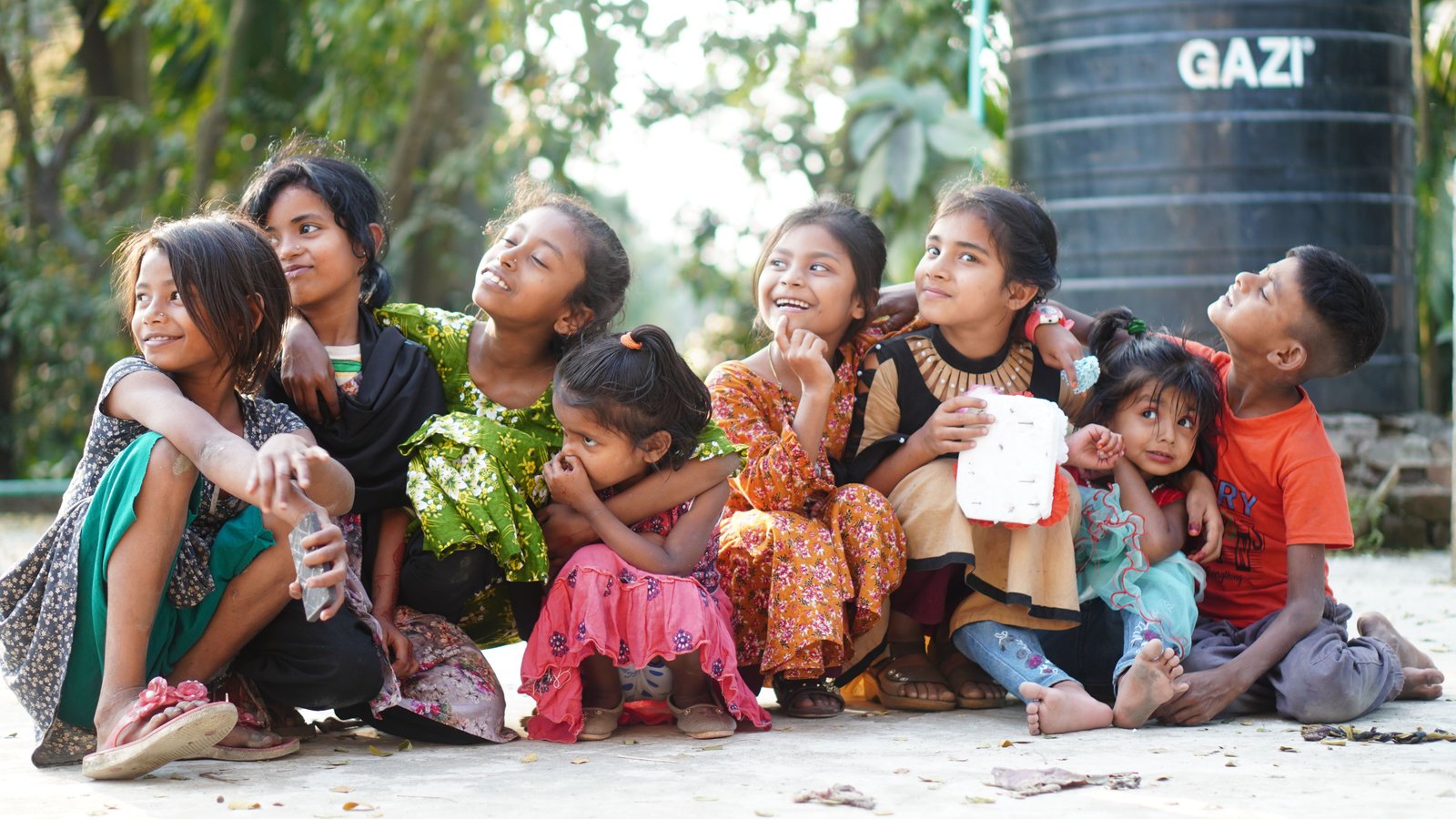
Support for children’s health access, school-linked awareness, and protective care pathways for boys and girls from disadvantaged backgrounds.
Aligned with our research and agriculture-related objectives, activities that connect health with sustainable rural livelihoods and food systems.
Training and deploying community volunteers for camp logistics, awareness walks, follow-up visits, and local coordination.
Responsive activities during seasonal illness spikes, local emergencies, or community hardship — medicine kits, transport facilitation, and information support.
1. Listen locally. We begin with community leaders, ASHA/ANM networks where available, and household conversations to identify priority needs.
2. Plan with care. Venue, medical team, supplies, consent processes, and referral pathways are prepared before the day of activity.
3. Deliver with dignity. Every beneficiary is treated as a person — not a number — with privacy and clear communication.
4. Record & follow up. Attendance, services rendered, and referral outcomes are documented for learning and donor reporting.
Headquartered in Varanasi’s Churamanpur–Bhullanpur area, with committee and programme linkages extending into districts such as Ballia and Azamgarh, the Society’s registered area of operation is the entire state of Uttar Pradesh.
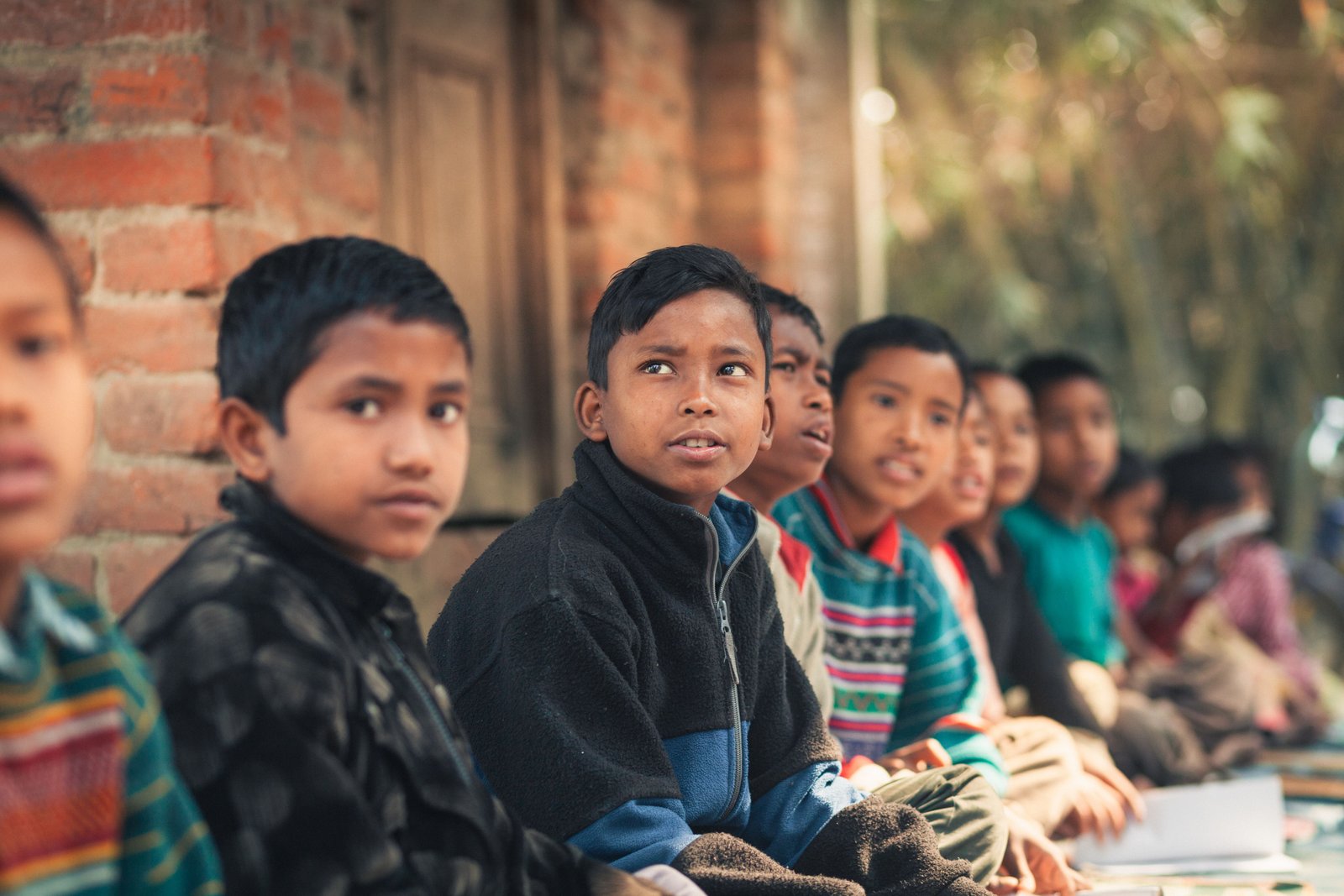
Schools, gram sabhas, resident associations, and philanthropic partners can co-host camps and awareness programmes with the Society.
Propose an Activity